ARcane Trails

ARcane Trails

"ARcaneTrails" was an AR and VR prototype aimed at encouraging tourism, cultural awareness and acceptance, and bringing new life to oral tradition. It relied on a variety of AR and VR tools to create a walking experience tied to specific locations and the folklore surrounding them. My contribution to the project was a full-length, interactive VR prototype using footage from a local forest and a script I wrote and recorded about a selected folktale. Below are some still frames of the interactive elements (menus, movement selection, etc.)

Date:

June 1, 2025

Topic:

AR/VR Industry Design

Built in:

Figma/Adobe Creative Suite

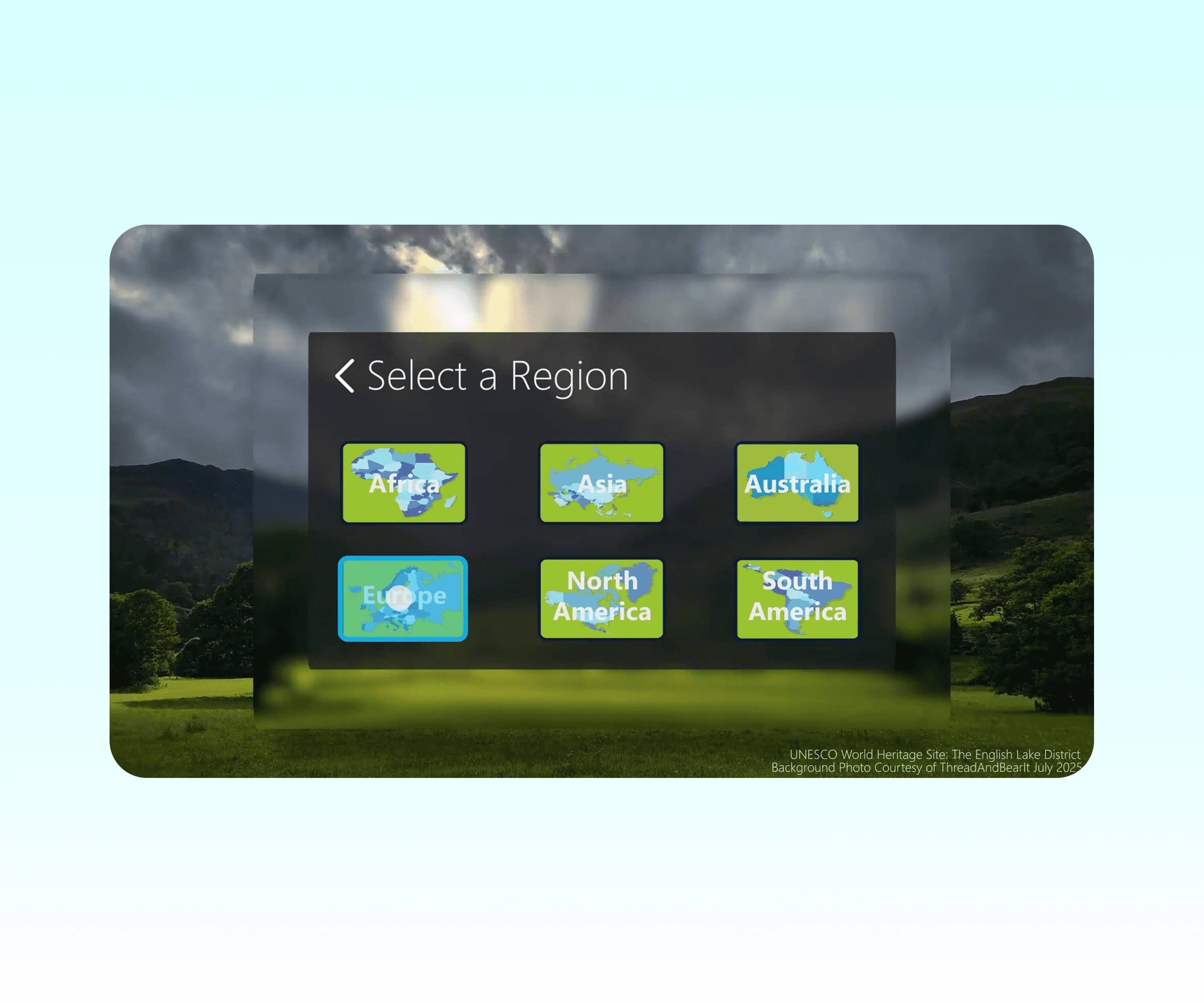
Stillframe of menu portion when selecting a specific region with "Europe" being selected
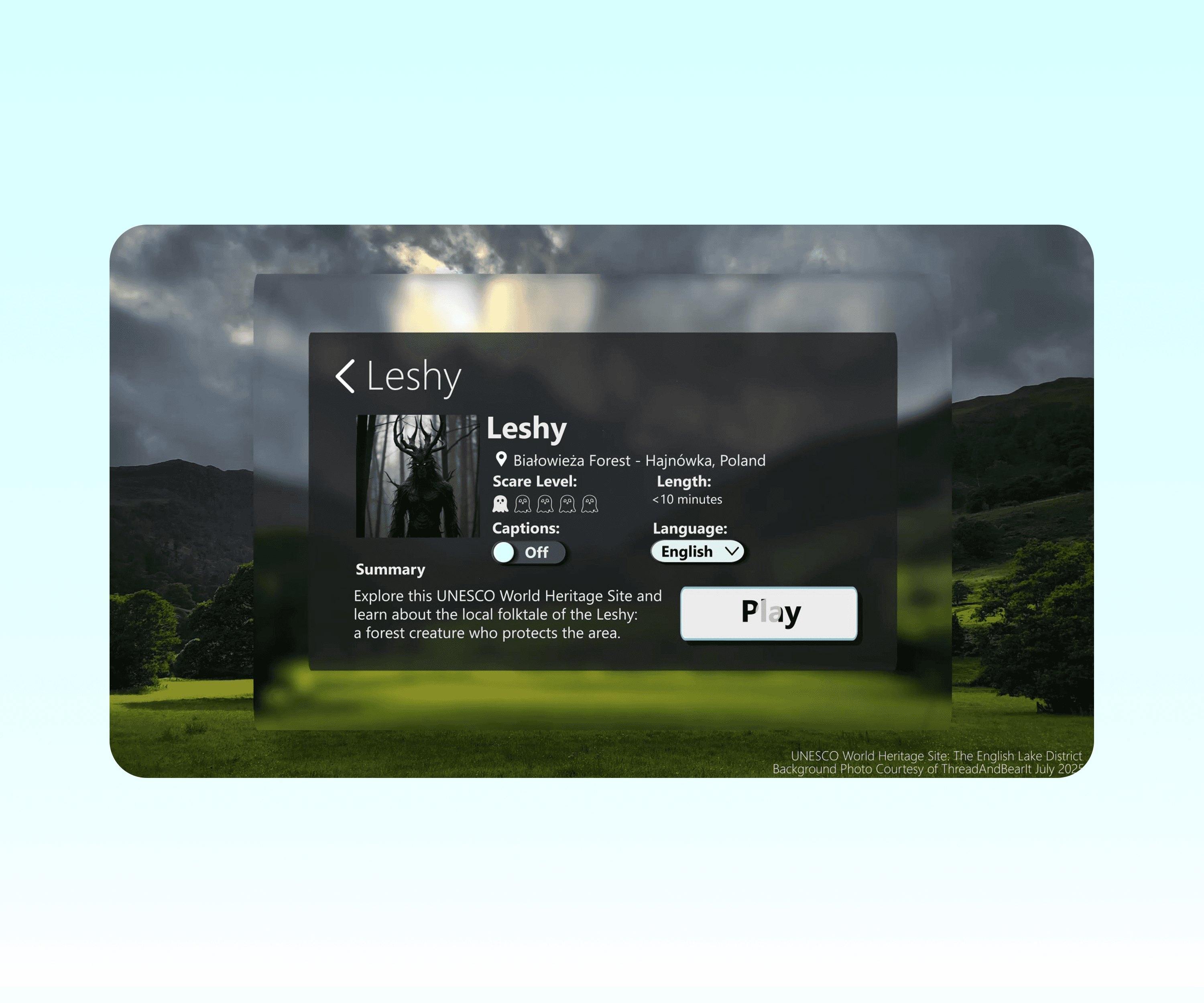
Stillframe of menu portion when selecting a specific story to interact with. This story is one about a creature known as the leshy
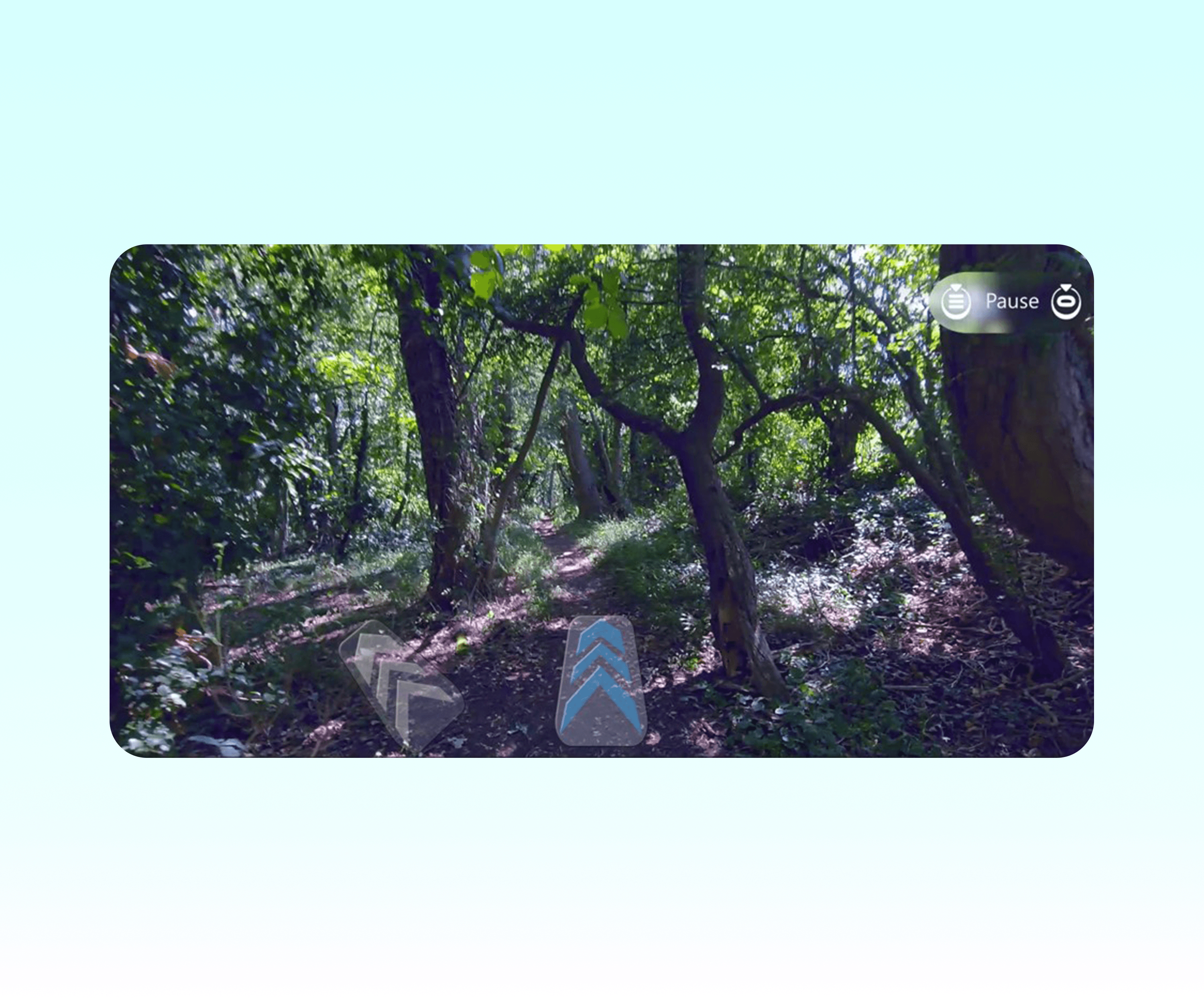
Still frame of direction selection in the VR experience

Process Overview

Initial Phase

This project has been one of the more interesting ones from the last year and introduced me to a host of new tools and challenges. This was a small team project where we created two partner applications: one being an AR phone app and the other being a VR demo. While both were designed and developed side-by-side, I built the VR demo including researching all necessary technical specifications, market, folklore, and UI best practices.

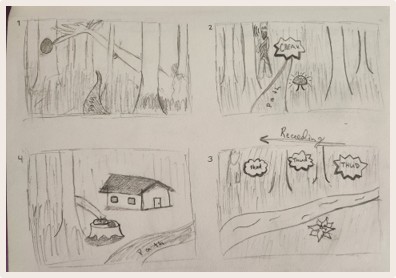
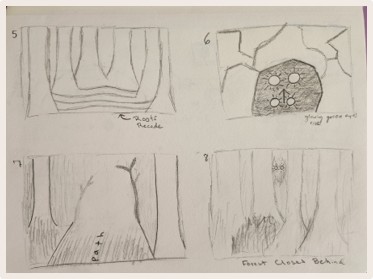
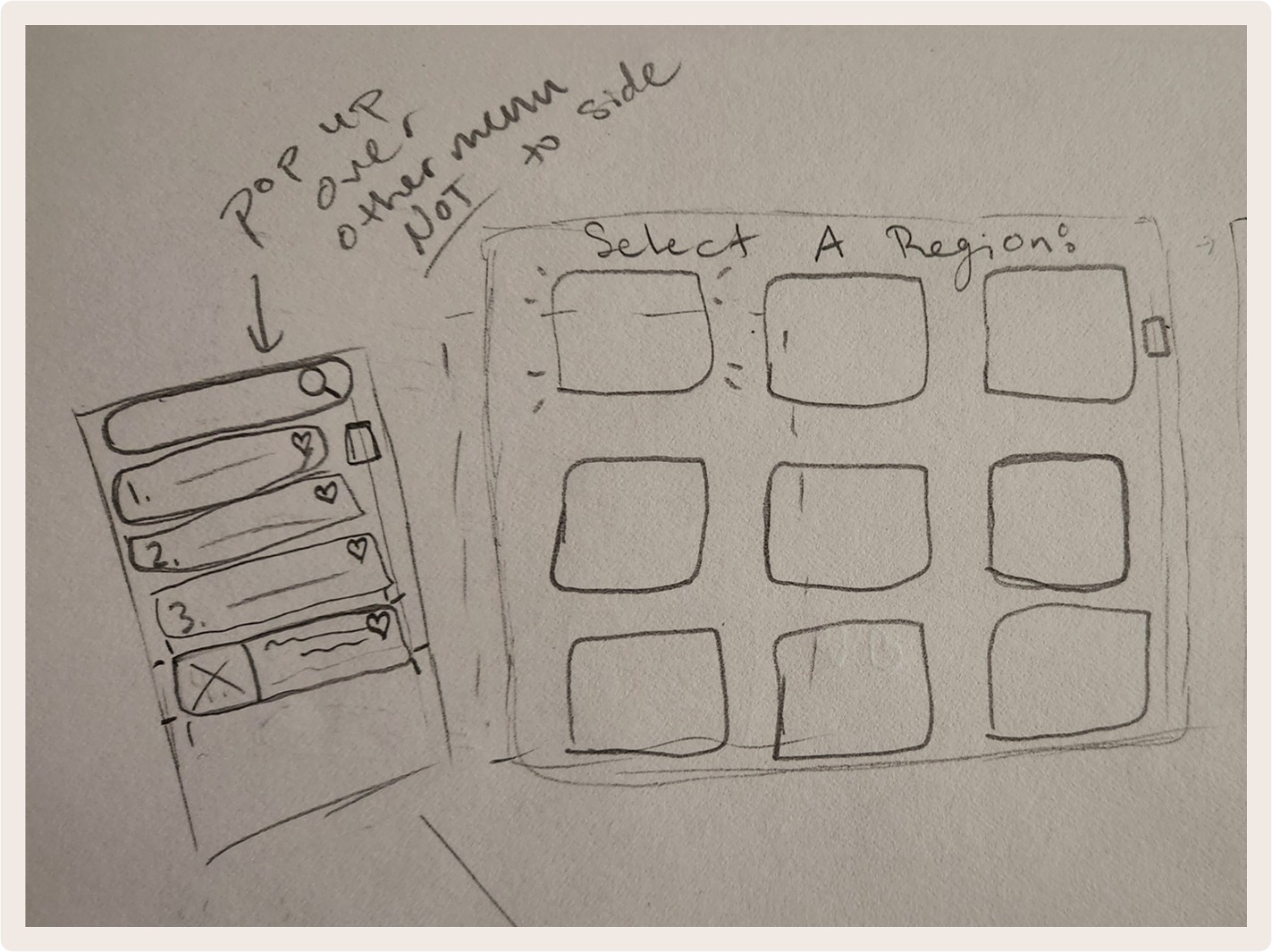
Using existing folklore, I formulated a script while sketching the UI, interactions, and scenes in a combination of wireframing and storyboarding. I conducted preliminary usability testing with simulated interactions on a low fidelity prototype to help isolate pain points and improve user experience before progressing to mid and high fidelity prototypes.

High Fidelity + Usability Testing

Since this project had a tight deadline, I opted to film 360° footage of a nearby forest instead of building an environment from scratch then built the UI on top. To aid in immersion but maintain a higher level of accessibility, the UI was a modified liquid glass style that combined high contrast with translucence. In addition, the demo featured binaural sound design, integrated visuals, and interactive elements which enabled the user to not only learn about the folktale being told but experience it. It was a unique blend of folklore tourism, VR games, and horror.

Once the demo was completed, it was tested with participants with varying levels of VR experience who evaluated the demo for its usability, functionality, interest level, overall experience, and enjoyability. This allowed for alterations followed by a second round of testing with new and previous participants to assess how effective the changes were and identify any necessary other changes. This iterative process provided a wealth of information that resulted in a fun, interactive demo with the potential for future development into an actual VR experience.

Inclusive design,
effortless experiences

Accessibility shouldn’t be an afterthought.

Reach out and let's turn ideas into experiences that truly connect.

Caitlyn ©all rights reserved